
From Summer to Winter Why a Cork Handbag Fits Gloves Hats and Earth Friendly Style
A summer handbag has an easy job. It carries sunglasses, lip balm, keys, a phone, maybe a light scarf or a paperback for a day in the sun. Then the weather shifts. The air gets sharp, sleeves get longer, and suddenly a small warm-weather bag feels too light for real life.
Fall and winter ask more from a handbag. There are gloves to tuck away when stepping indoors. A hat needs a safe spot when the sun comes out or the car warms up. Hand cream, tissues, a compact umbrella, and a heavier wallet all become part of the daily carry. The right bag needs space, structure, and a color palette that looks at home next to wool coats, boots, denim, and darker seasonal layers.
That is where a cork handbag makes sense. It brings the natural texture people love in summer, but in richer colors and practical shapes that work beautifully through cold weather. Even better, cork is a smart material for anyone who wants style with a lighter environmental footprint.
A winter bag needs to do more than look polished
The first sign that a summer handbag has reached its limit is usually not style. It is storage.
A slim straw tote, a pale crossbody, or a tiny shoulder bag can feel perfect in June. By November, it may not have enough room for the things that keep a day comfortable. Gloves get taken off at the store, at lunch, in the car, or every time a phone needs attention. Hats come off indoors and need a place that will not crush them. A scarf may need to be tucked away for a few minutes. Even sunglasses still come along, because low winter sun can be brutal.
A fall and winter handbag should handle these everyday items without becoming bulky. The best shape has a little softness, a secure closure, and enough depth for cold-weather accessories. A medium tote, bucket bag, satchel, or roomy crossbody can make the transition easier.
Look for a bag that can carry:
A pair of gloves
A knit hat or soft beanie
Hand cream or balm
Tissues
Keys and wallet
Phone and charger
Sunglasses or reading glasses
A compact umbrella, if the bag is large enough
The goal is not to carry the whole closet. The goal is to stop juggling. A good seasonal handbag should offer a clean place for the items that move between hands, pockets, and shelves all day long.
That is one reason cork works so well. It is often lightweight, so choosing a roomier size does not automatically mean carrying a heavy bag before anything is even inside it. That matters in winter, when coats, boots, and layers already add weight.
Darker cork colors feel right for fall and winter
Summer accessories often lean pale, bright, or breezy. Think sand, cream, straw, white, soft tan, coral, and sky blue. Those colors can still look lovely, but they may feel out of step once outfits shift toward charcoal, navy, chocolate, olive, black, burgundy, and deep green.
A cork handbag does not have to look casual or beachy. Cork can take on rich, grounded tones that feel natural in colder months. Dark cork has depth because the material already carries texture. Instead of looking flat, it shows small variations that make the color feel warm and alive.
Good fall and winter color choices include:
Deep brown
Easy to pair with camel coats, denim, cream sweaters, and cognac boots.
Black cork
Sleek and simple for dressier outfits or a mostly neutral wardrobe.
Burgundy
A strong seasonal color that looks beautiful with gray, navy, and black.
Forest green
Earthy without being too loud, especially with tan, brown, or ivory layers.
Charcoal
Softer than black, but still polished and winter-ready.
Navy
Classic, quiet, and easy to wear with jeans or wool coats.
A darker handbag also hides everyday marks better than a pale summer bag. Winter can bring slush, wet sidewalks, salt residue, and damp car floors. While no handbag should be treated carelessly, darker colors tend to be more forgiving.
The real strength of cork is that even dark shades still feel natural. A black leather-style bag can look smooth and formal. A black or deep brown cork bag keeps a bit of organic character. That makes it easier to wear with both casual clothes and more polished outfits.
Cork adds texture when winter outfits get heavy
Cold-weather dressing can get visually dense. Wool coats, thick sweaters, knit scarves, and boots all bring weight. If every accessory is dark and smooth, an outfit can start to look flat. Texture helps.
Cork has a grain that is immediately recognizable, yet subtle enough for everyday wear. It brings interest without shouting. That makes it useful during the season when outfits often depend on simple staples.
Picture a dark cork handbag with:
A camel coat and black jeans
A cream sweater, dark denim, and brown boots
A wool blazer and a knit scarf
A puffer jacket and winter sneakers
A long cardigan and ankle boots
A black coat with burgundy gloves
The bag adds a natural note to the outfit. It can soften sharper pieces and make basic layers feel more intentional. It also bridges seasons well. A cork bag does not have to be packed away when summer ends, because its texture pairs just as well with knits as it does with linen.
This is why the move from a summer handbag to a winter one does not need to be a complete style reset. A cork handbag keeps the relaxed, nature-inspired feeling of warm weather, then gives it more depth through darker colors and practical shapes.
The eco-friendly side of cork is more than a trend
There is another reason cork deserves attention. It is one of the more appealing materials for shoppers who want accessories that feel stylish and thoughtful.
Cork comes from the bark of the cork oak tree. The tree does not need to be cut down for the bark to be harvested. After harvesting, the bark grows back over time. That makes cork a renewable material when it is sourced and processed responsibly.
This matters because many fashion accessories depend on materials with heavier environmental concerns. Some synthetic materials rely on plastics. Some animal-based materials raise questions about sourcing, treatment, and processing. Cork offers a plant-based alternative with a look and feel that stands on its own.
A cork handbag is not just a substitute for something else. It has its own strengths:
It is naturally light.
It has a distinct texture.
It can be flexible and comfortable to carry.
It can work in casual or polished designs.
It comes from a renewable bark source.
It can reduce the need for animal-derived materials.
Cork oak forests also support ecosystems in areas where the trees grow. Responsible cork production can help give those forests economic value, which may support their long-term care. The exact impact depends on sourcing and manufacturing, but the basic material has strong sustainability advantages.
That makes cork a practical choice for people who want to buy fewer, better things. Instead of choosing a bag only because it matches a coat, the choice can also reflect a preference for renewable materials and lower-waste thinking.
A good seasonal handbag should work hard, wear well, and feel good to carry. Cork checks all three boxes with a lighter environmental story than many traditional options.
The right size makes gloves and hats easier to manage
A winter handbag does not need to be huge, but it does need to be honest about winter life. If a bag barely closes with a phone and wallet inside, it will not handle gloves and a hat.
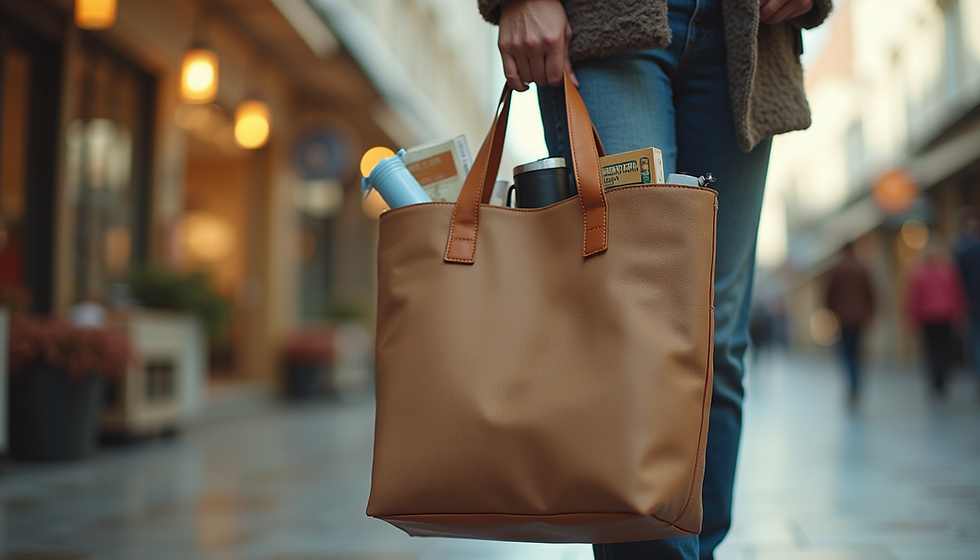
The best size depends on daily habits. A medium satchel works well for anyone who likes structure. A bucket bag gives a little more give for soft items like scarves and beanies. A crossbody with a wider base can be comfortable for errands, travel, and hands-free days. A tote works best when commute items, a water bottle, or a compact umbrella need space too.
When choosing a cork handbag for fall and winter, check for these details.
A wider opening makes daily use easier
A narrow opening can turn a simple task into a search party. Gloves fall to the bottom. Keys hide under a hat. Lip balm disappears behind a wallet.
A wider opening helps cold-weather items go in and out quickly. This is especially useful when moving between the car, a store, a coffee shop, and home.
A secure closure keeps winter accessories contained
Open totes are easy, but winter items can spill out when the bag tips over. A zipper, snap, drawstring, or flap gives peace of mind. This matters when gloves and hats are not cheap throwaway items, but favorites that need to last.
Interior pockets stop the small things from sinking
A bag that holds gloves and a hat should still protect the essentials. Interior pockets keep keys, cards, and lip balm from getting buried. A zip pocket is especially helpful for items that should not be loose.
A comfortable strap matters more with layers
Winter coats add bulk around the shoulders. Thin straps can slip, dig, or feel awkward over thick fabric. A wider strap or adjustable crossbody design can make the bag more comfortable when worn over a coat.

How to style a cork handbag from late summer into winter
One of the best reasons to keep cork in rotation is that it moves through seasons more smoothly than many materials. The trick is changing the color story around it.
In late summer, a natural tan cork handbag looks fresh with white denim, linen, sandals, and light cotton. As early fall arrives, the same material can work with olive jackets, ankle boots, and soft knits. By winter, darker cork shades feel more grounded with wool, denim, and heavier textures.
Here is a simple way to think about the shift.
Summer handbag habits | Fall and winter handbag needs |
Light colors and airy textures | Rich colors and warmer textures |
Small daily carry | Room for gloves, hat, and hand care |
Open totes and beachy shapes | Secure closures and structured space |
Bright accents | Earth tones, jewel tones, and deep neutrals |
Minimal layers | Compatibility with coats and scarves |
A cork handbag can sit right in the middle of those needs. It keeps the organic texture of summer, but darker colors and larger shapes make it practical for cold weather.
For a soft fall look, pair a brown cork satchel with straight-leg jeans, a cream sweater, and tan boots. For winter errands, try black cork with a quilted jacket, gray beanie, and sneakers. For dinner, a burgundy cork shoulder bag can warm up a black coat and dark trousers without feeling too bright.
The key is balance. If the outfit is heavy and dark, a cork bag adds texture. If the outfit has several textures already, choose a simpler cork shape in a deep solid color. If the coat is patterned, keep the bag clean and understated.
Care matters when the weather turns cold
Cork is practical, but every handbag lasts longer with good care. Fall and winter add moisture, grit, and temperature changes. A few simple habits can help keep a cork handbag looking its best.
Wipe it gently with a soft, damp cloth when it picks up dust or surface dirt. Avoid soaking it. Let it air dry away from direct heat. If the bag gets wet in rain or snow, blot it and let it dry naturally. Do not place it near a heater or use a hair dryer, since too much heat can affect many handbag materials.
Storage matters too. When the bag is not in regular use, keep it in a breathable dust bag or cotton pillowcase. Stuff it lightly with tissue paper or a soft cloth so it holds its shape. Avoid overloading the bag with heavy items, especially if it has a slimmer strap or delicate hardware.
These are simple steps, but they support the bigger goal of sustainable style. The most eco-friendly bag is often the one that gets used often and cared for well. A cork handbag that works across several seasons can reduce the urge to buy a new accessory every time the weather changes.
A cork handbag belongs in the colder months
The move from summer to fall and winter is not just about swapping sandals for boots. It changes what a handbag needs to do. The bag has to carry more, match deeper colors, handle daily weather, and still feel good enough to reach for every morning.
A cork handbag answers that shift with a rare mix of practicality and personality. It has room for gloves and a hat when chosen in the right size. It looks beautiful in darker shades like brown, black, burgundy, charcoal, and forest green. It adds natural texture to winter outfits. It also brings an earth-friendly benefit through cork’s renewable bark source.
So when the summer bag starts to feel too small, too pale, or too delicate for the season ahead, a darker cork handbag is a smart next step. It keeps style grounded, useful, and kinder to the planet, which is exactly what a good everyday accessory should do.


Comments