
Discover Sustainable Fabrics for Eco-Friendly Fashion
When I first started exploring eco-friendly fashion, I quickly realized that the fabric you choose makes a huge difference. It’s not just about looking good—it’s about feeling good, knowing your clothes are kind to the planet. Today, I want to take you on a journey through some of the best sustainable fabric options out there. These materials are not only gentle on the environment but also stylish and comfortable. Ready to dive in? Let’s go!
Why Sustainable Fabric Options Matter
You might wonder, why should we care so much about the fabric itself? Well, the fashion industry is one of the biggest polluters worldwide. Conventional fabrics like leather or polyester often require tons of water, pesticides, or fossil fuels to produce. That’s where sustainable fabric options come in. They reduce waste, use fewer chemicals, and often come from renewable sources.
Choosing sustainable fabrics means supporting a cleaner, greener future. Plus, these materials often last longer and feel better on your skin. It’s a win-win! When you shop with sustainability in mind, you’re making a statement that fashion can be beautiful and responsible.
Exploring Popular Sustainable Fabric Options
Let’s break down some of the most popular sustainable fabrics you can find today. Each has its own unique benefits and stories behind them.
Organic Cotton
Organic cotton is grown without harmful pesticides or synthetic fertilizers. This means less pollution and healthier soil. It also uses less water than conventional cotton. When you wear organic cotton, you’re supporting farmers who prioritize the earth’s health.
This fabric is soft, breathable, and perfect for everyday wear. From t-shirts to dresses, organic cotton feels great and looks fresh.
Linen
Linen comes from the flax plant, which grows with minimal water and no pesticides. It’s a fantastic choice for warm weather because it’s lightweight and breathable. Linen also gets softer with every wash, making it a fabric that improves over time.
Its natural texture and durability make linen a timeless fabric for eco-conscious wardrobes.
Tencel (Lyocell)
Tencel is a modern sustainable fabric made from wood pulp, usually eucalyptus trees. The production process recycles water and uses non-toxic solvents, making it very eco-friendly. Tencel is silky smooth, drapes beautifully, and is biodegradable.
If you want something luxurious yet sustainable, Tencel is a fantastic option.
Hemp
Hemp is a powerhouse fabric. It grows quickly, requires little water, and enriches the soil. Hemp fibers are strong and durable, making clothes that last for years. It’s also naturally resistant to pests, so no pesticides are needed.
Hemp fabric has a slightly rough texture at first but softens with wear. It’s perfect for casual, rugged styles.
Recycled Fabrics
Recycled fabrics, like recycled polyester or nylon, are made from post-consumer waste such as plastic bottles or old garments. This process reduces landfill waste and cuts down on the need for virgin materials.
While recycled fabrics still use some energy to produce, they’re a step in the right direction for reducing fashion’s environmental footprint.

Organic cotton fabric showing its soft texture and natural color.
How to Choose the Right Sustainable Fabric for You
Now that you know about these sustainable fabric options, how do you pick the right one? Here are some tips to help you make the best choice:
Consider Your Lifestyle
Think about how you’ll wear the garment. For everyday comfort, organic cotton or Tencel might be best. For outdoor or rugged use, hemp could be ideal.
Check Certifications
Look for certifications like GOTS (Global Organic Textile Standard) or OEKO-TEX. These labels ensure the fabric meets strict environmental and social standards.
Feel the Fabric
Whenever possible, touch the fabric. Sustainable fabrics can vary in texture, so find what feels good on your skin.
Think About Care
Some fabrics require special care. Linen wrinkles easily but is easy to wash. Hemp is durable but may shrink if not washed properly. Choose fabrics that fit your care routine.
Support Brands That Care
Many brands now focus on environmentally friendly fabrics. Supporting these companies helps push the industry toward sustainability.
Caring for Your Sustainable Fabrics
Choosing sustainable fabrics is just the first step. To truly make a difference, you need to care for your clothes properly. Here’s how to keep your eco-friendly wardrobe in great shape:
Wash with cold water to save energy and prevent shrinking.
Use gentle, eco-friendly detergents that don’t harm the environment.
Air dry when possible to reduce your carbon footprint.
Repair instead of replace to extend the life of your garments.
Recycle or donate clothes you no longer wear instead of throwing them away.
By treating your clothes with care, you honor the effort that went into making them and reduce waste.
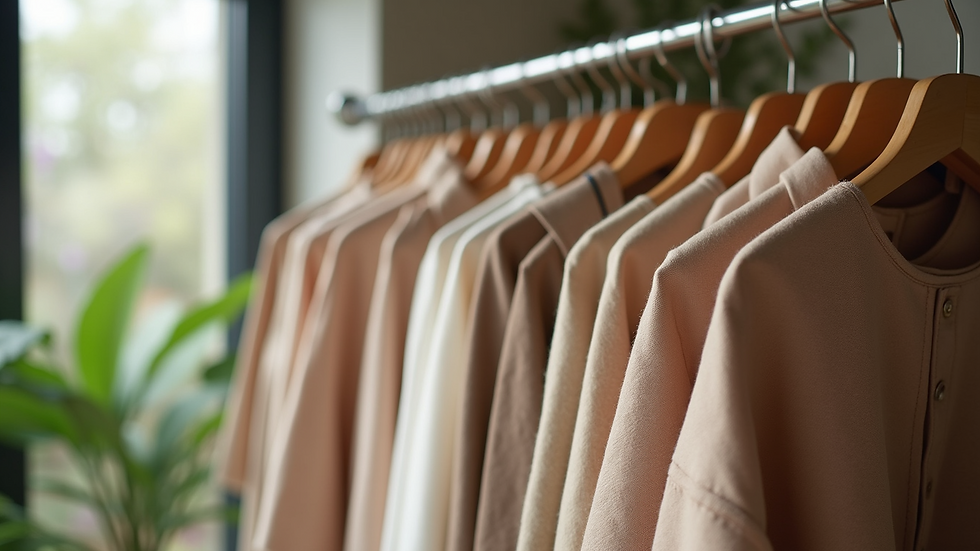
Clothing rack featuring garments crafted from various sustainable fabrics.
Embracing Sustainable Fashion in Your Everyday Life
Switching to sustainable fabric options doesn’t mean you have to overhaul your entire wardrobe overnight. Start small. Maybe pick one organic cotton t-shirt or a linen dress. Notice how it feels and how it fits into your lifestyle.
You can also mix and match sustainable pieces with what you already own. Over time, your wardrobe will naturally become more eco-friendly. Plus, you’ll inspire others to think about their choices too.
Remember, every small step counts. When we choose fabrics that respect the planet, we’re part of a bigger movement toward a healthier world. And that feels pretty amazing.
I hope this guide helps you feel confident and excited about exploring sustainable fabric options. Your choices matter, and together, we can make fashion a force for good. Happy eco-friendly shopping!


Comments